
cement plant production process manufacturer Grasping strong production capability, advanced research strength and excellent service, Shanghai cement plant production process supplier create the value and bring values to all of customers.
 WhatsApp)
Summary of production process The cement mill grinds the clinker to a fine powder A small amount of gypsum a form of calcium sulfate is normally ground up with the clinker The gypsum controls the setting properties of the cement when water is added The basic components of the cement production process
Virtual Cement Plant Tour Portland Cement Association PCA
Cement Plant Manufacturing Process Understanding Of Cement Process Most Common materials which is used to manufacturing cement is includes limestone shells and chalk combined with shale clay slate blast furnace slag silica sand and iron ore
Cement Plant Manufacturing Process Understanding Of Cement Process Most Common materials which is used to manufacturing cement is includes limestone shells and chalk combined with shale clay slate blast furnace slag silica sand and iron ore These ingredients when heated at high temperatures form a rocklike substance that is ground
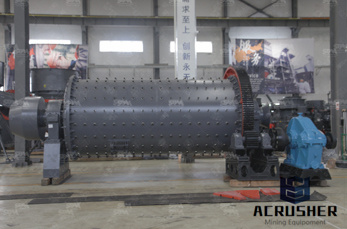
Cement manufacturing is the source of 5 of global CO2 emissions The cement industry is a natural producer of CO2 60 of emissions are due to the transformation of raw materials at high temperatures the decarbonation of limestone 40 result from the
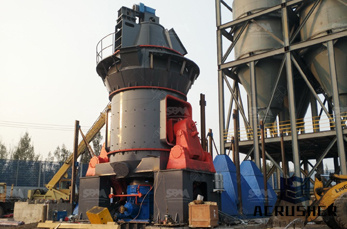
Cement production is divided into four stages raw materials preparation pulverized coal preparation clinker calcining and cement grinding AGICO mainly provides tons of
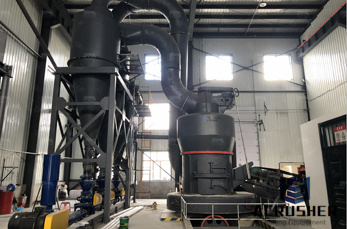
Our plant employs stateoftheart technologies in the cement production process which include the new suspension preheater NSP dry process which requires less energy to produce cement is more fuelefficient and more environmentally friendly than nonNSP technologies
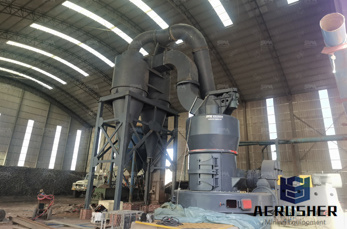
The cement production process for example starts with mining of limestone which is then crushed and ground to powder It is then preheated to save energy before being transferred to the kiln the heart of the process
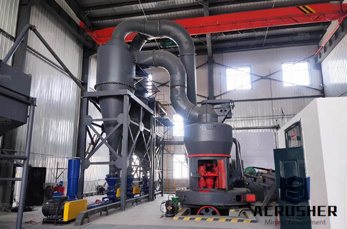
Cement Manufacturing Process 1 Raw material extraction Quarry 2 Grinding Proportioning and Blending 3 Preheater Phase 4 Kiln Phase 5 Cooling and Final Grinding 6 Packing Shipping
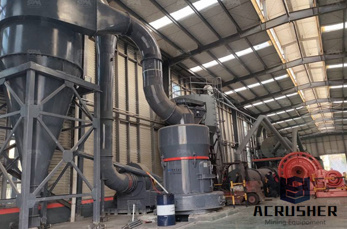
Cement manufacturing is the source of 5 of global CO2 emissions The cement industry is a natural producer of CO2 60 of emissions are due to the transformation of raw materials at high temperatures the decarbonation of limestone 40 result from the
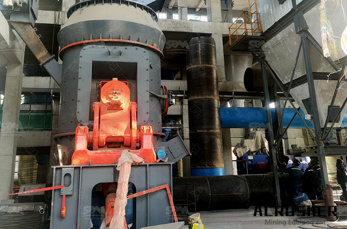
materials are produced in portland cement manufacturing plants A diagram of the process which encompasses production of both portland and masonry cement is shown in Figure 1161 As shown in the figure the process can be divided into the following primary components raw materials acquisition and handling kiln feed preparation pyroprocessing and finished cement grinding Each of these
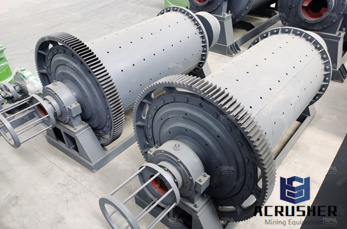
Cement Manufacturing Process Phases 1 Raw Material Extraction Cement uses raw materials that cover calcium iron and aluminum Such raw materials are limestone shale and sand Limestone is for calcium It is combined with much smaller proportions of dolerite sand and aluminium Sand clay fulfil the need of silicon iron and aluminum
Cement manufacturing is a complex process that begins with mining and then grinding raw materials that include limestone and clay to a fine powder called raw meal which is then heated to a sintering temperature as high as 1450 °C in a cement kiln
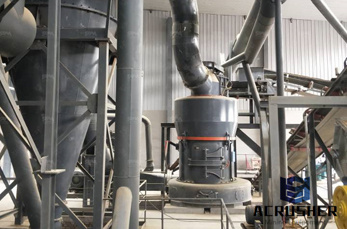
The Cement Plant Operations Handbook The Cement Plant Operations Handbook for dry process plant by Philip A Alsop PhD Covering some 232 pages the cement industry''s favorite technical reference book provides indepth information of the various aspects of cement production plant from raw material extraction to the finished product
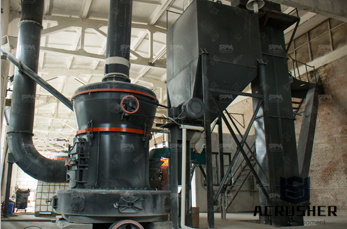
Clinker nodules produced by sintering at 1450°C Conversely hydraulic cement hardens by hydration of the clinker minerals when water is added Hydraulic cements such as Portland cement are made of a mixture of silicates and oxides the four main mineral phases of the clinker abbreviated in the cement chemist notation being
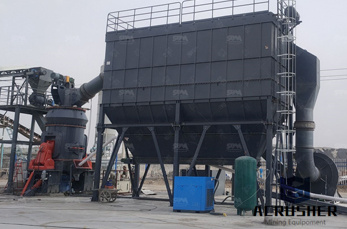
The cement production process for example starts with mining of limestone which is then crushed and ground to powder It is then preheated to save energy before
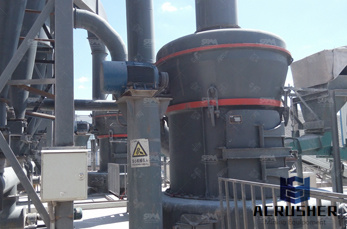
Stage of Cement Manufacture There are six main stages of cement manufacturing process The raw cement ingredients needed for cement production are limestone calcium sand and clay silicon aluminum iron shale fly ash mill scale and bauxite The ore rocks are quarried and crushed to smaller pieces of about 6 inches
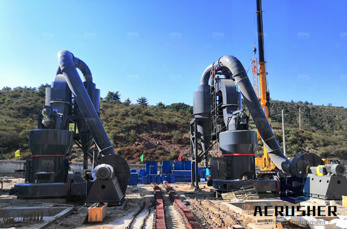
Cement Manufacturing Process ng And Preblending 1Crushing In the cement manufacturing process most material must be broken such as limestone iron ore clay and coal etc Limestone is the main raw material for cement production each producing a ton of clinker needs about 13 tons of limestone more than 80 of raw material is limestone
WhatsApp)
 Online Chat
 Sales Hotline